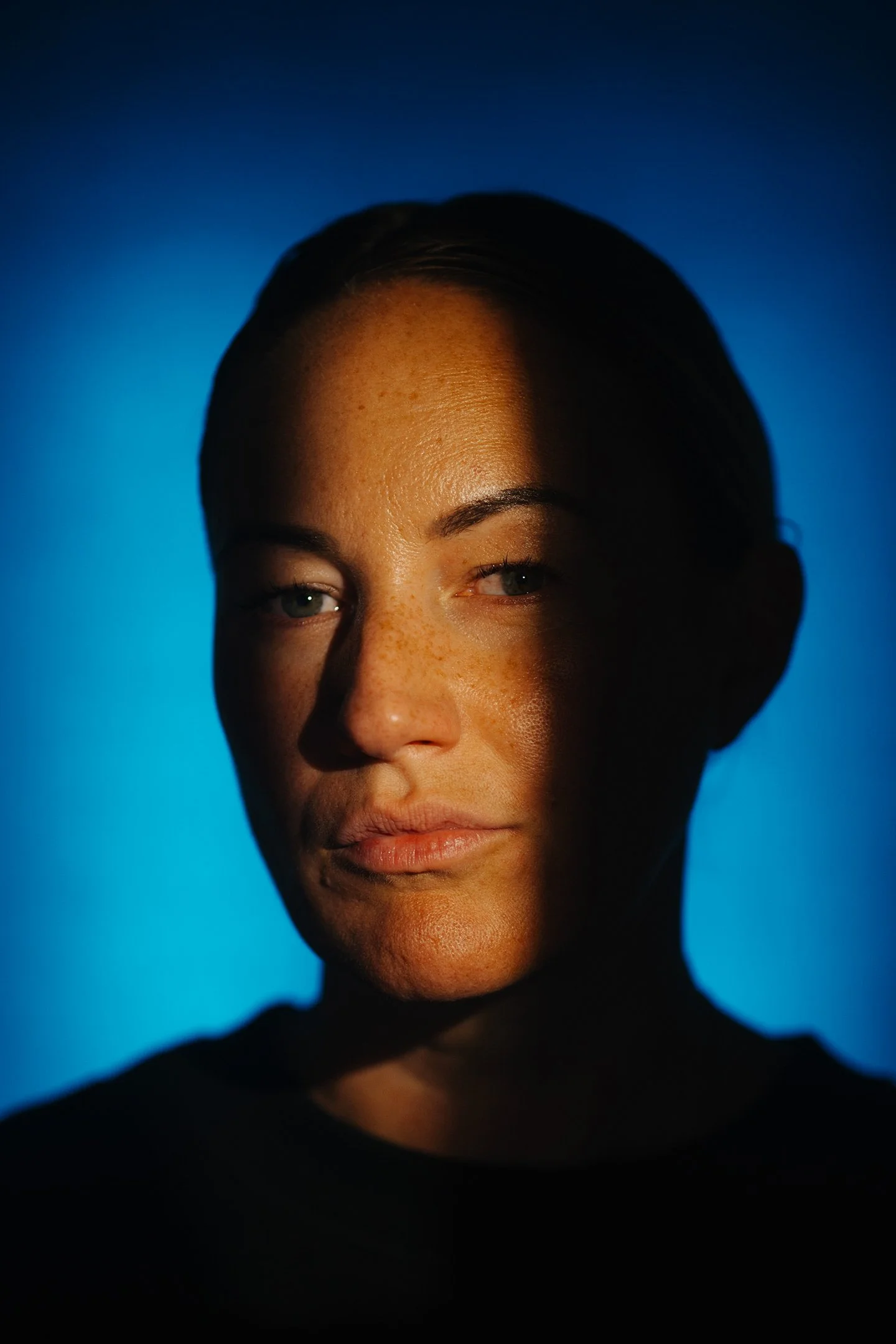
Hi, I’m Georgia McDonnell-Adams, a vegemite eating, martini drinking Australian, who has spent her life obsessing over counter culture and how it brings people together…

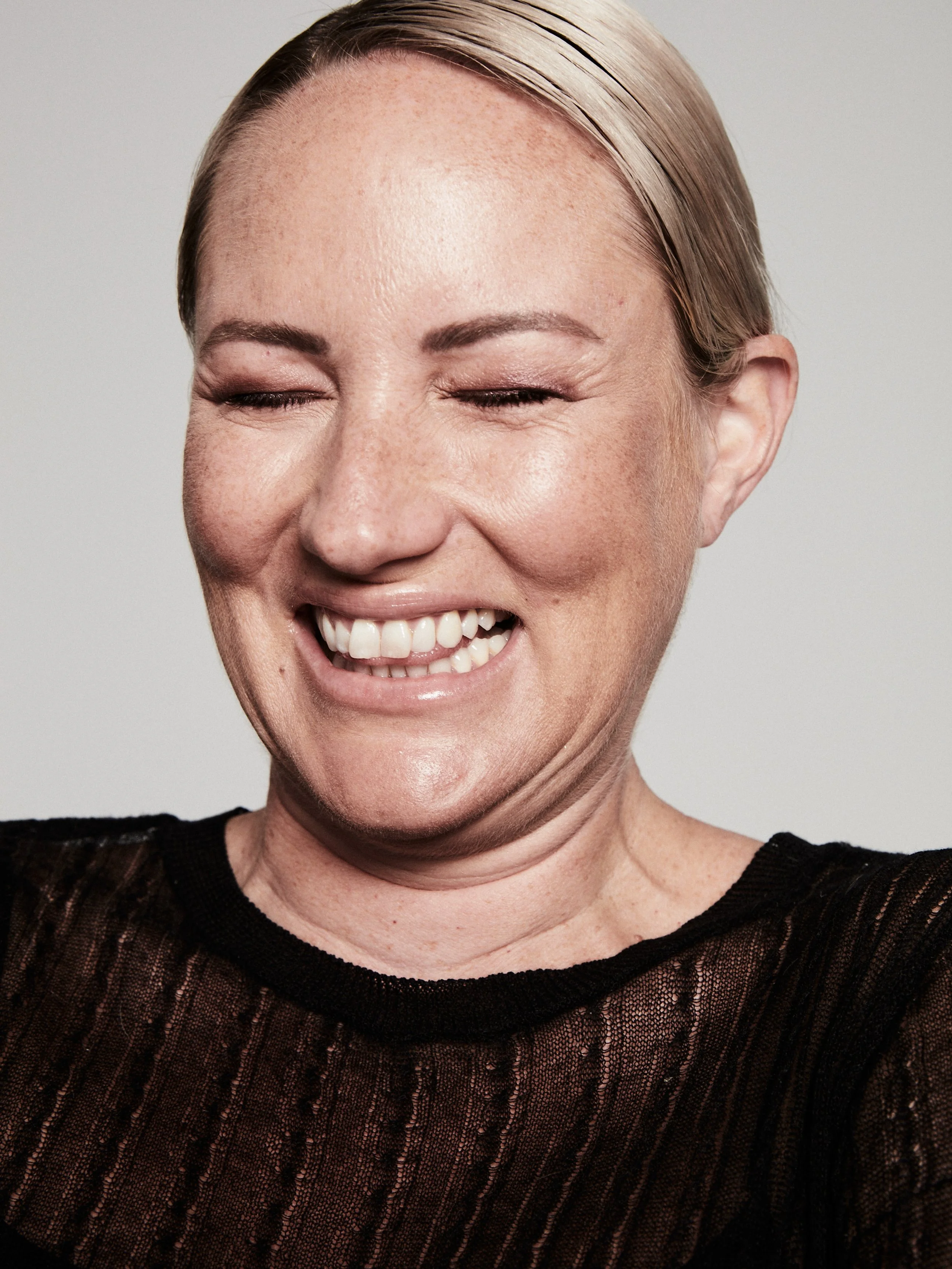
Whatever it is, the way you intertwine human connection into your strategy will define how long and lasting your impact will be.
From Perth Australia, to Paris France via London and Stockholm,
The executive who spent 15 years understanding how brands think — then crossed the fence to learn how culture actually works.
Most senior marketers never leave the brand side. They understand how to brief a campaign, manage an agency, justify a budget to the CFO. What they rarely understand is how the platform actually thinks - what the artist wants, what the promoter fears, what makes a crowd come back.
Georgia McDonnell-Adams understood both. Deliberately.
Fifteen years inside the alcohol industry — across Pernod Ricard's market companies in Australia, The Absolut Company in the UK and Stockholm, and finally Pernod Ricard's global headquarters in Paris as Head of Global Culture, Advocacy and Entertainment Partnerships — gave her the brand-side fluency most executives never move beyond. She ran multi-brand partnerships spanning Tomorrowland, Coachella, Boiler Room, Untold, Drink Masters, Succession, Billions, and Counter-Strike. She launched Absolut's SIP hospitality advocacy platform from zero. She took Absolut's Midsommar campaign across 28 markets and Absolut 100 Nights into 20 cities in China.
Then, in 2022, she did the thing most senior brand executives don't. She crossed the fence.
Joining Boiler Room as VP Partnerships & Commercial, she moved from the side that writes the brief to the side that executes it. What followed was the most commercially significant period in Boiler Room's history: the platform's first-ever profitability, five major new global partnerships — Budweiser, Coach, Hugo, Levi's, Pernod Ricard — and a client roster that included Nike, Jacquemus, Spotify, Adidas, Marni, Absolut, Cupra, and Heineken.
The crossing mattered because it made her, in her own framing, a super-translator: someone who can sit in a room with a CMO and understand the quarterly pressure they're under, then walk into a briefing with a creative team and understand what will actually move an audience. That combination is rarer than most brand decks pretend.
THE DAVOS ARGUMENT
In January 2026, McDonnell-Adams stood at the World Economic Forum in Davos and made a case that most of the finance world had never heard articulated: the global nighttime economy — worth an estimated US$3–4 trillion, representing approximately 3% of global GDP and 1 in 10 jobs worldwide — is the most undervalued asset class in culture.
The argument, authored in the Night Time Economy Report 2026 published by The Nighttime Foundation, where she serves as a board member, runs as follows. Less than 0.1% of global venture capital has ever been directed toward nightlife, hospitality, or experiential — compared with approximately 72% to technology (Pitchbook, 2024). The sector generates the GDP contributions of a G7 nation, employs at the scale of a major industry, and shapes cultural trends that brands pay billions to align with — yet it has never been packaged in language that institutional capital can process.
"Nightlife doesn't lack creativity. It lacks translation into investor-readable economic value." — Georgia McDonnell-Adams, NTER 2026 (p.7)
The translation is her argument. And it is also her career.
WHAT MAKES HER WORTH KNOWING
In an industry where brand investment in culture has never been higher — and where the returns have never been more inconsistently understood — McDonnell-Adams represents a specific and increasingly scarce capability: the ability to build the commercial architecture around a creative proposition without killing the thing that made it worth backing in the first place.
She trained in the commercial logic of spirits, one of the most contested and data-driven marketing categories in consumer goods. She then stress-tested that training against the operational reality of a culture platform that runs events, builds artist relationships, and has no patience for brand speak. The result is an executive who can negotiate a partnership from both chairs simultaneously.
That is not a soft skill. It is a structural competitive advantage in a market where brands are spending at scale but converting at a fraction of the rate they should be.
→ Why she matters now: As brands pour record budgets into cultural partnerships and continue to measure them incorrectly, the premium on people who understand both the creative and commercial logic has never been higher. McDonnell-Adams is not a brand consultant who attends festivals. She is the person who built the partnerships, ran the platform, and authored the global economic argument for the sector at the world's most visible policy forum. There are not many people in that position. There may be one.
Sources
Night Time Economy Report 2026, The Nighttime Foundation (pp. 7–8) · World Economic Forum, Davos January 2026 · Pitchbook global VC data 2024 · Boiler Room · Pernod Ricard · The Absolut Company · AMFE Group · Satori Inc.